 Safe Contractor
The latest HSE statistics show some encouraging movement in work-related ill health, but the overall picture remains challenging for employers.
An estimated 1.8 million workers experienced work-related ill health in 2025/26, while 680,000 sustained a workplace injury. Work-related stress, depression and anxiety continue to account for a significant proportion of ill health, and millions of working days are still being lost to workplace injury and illness.
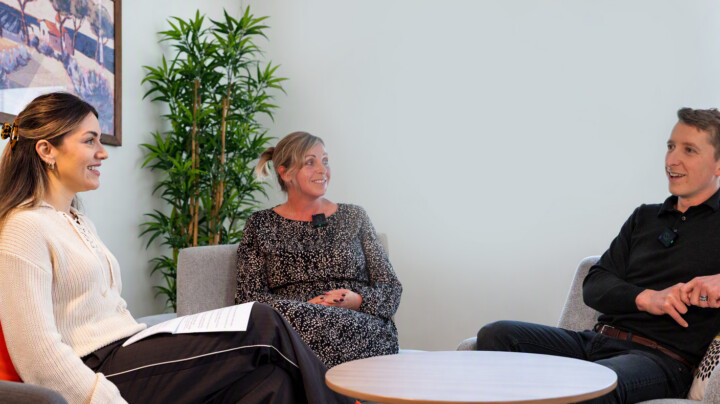
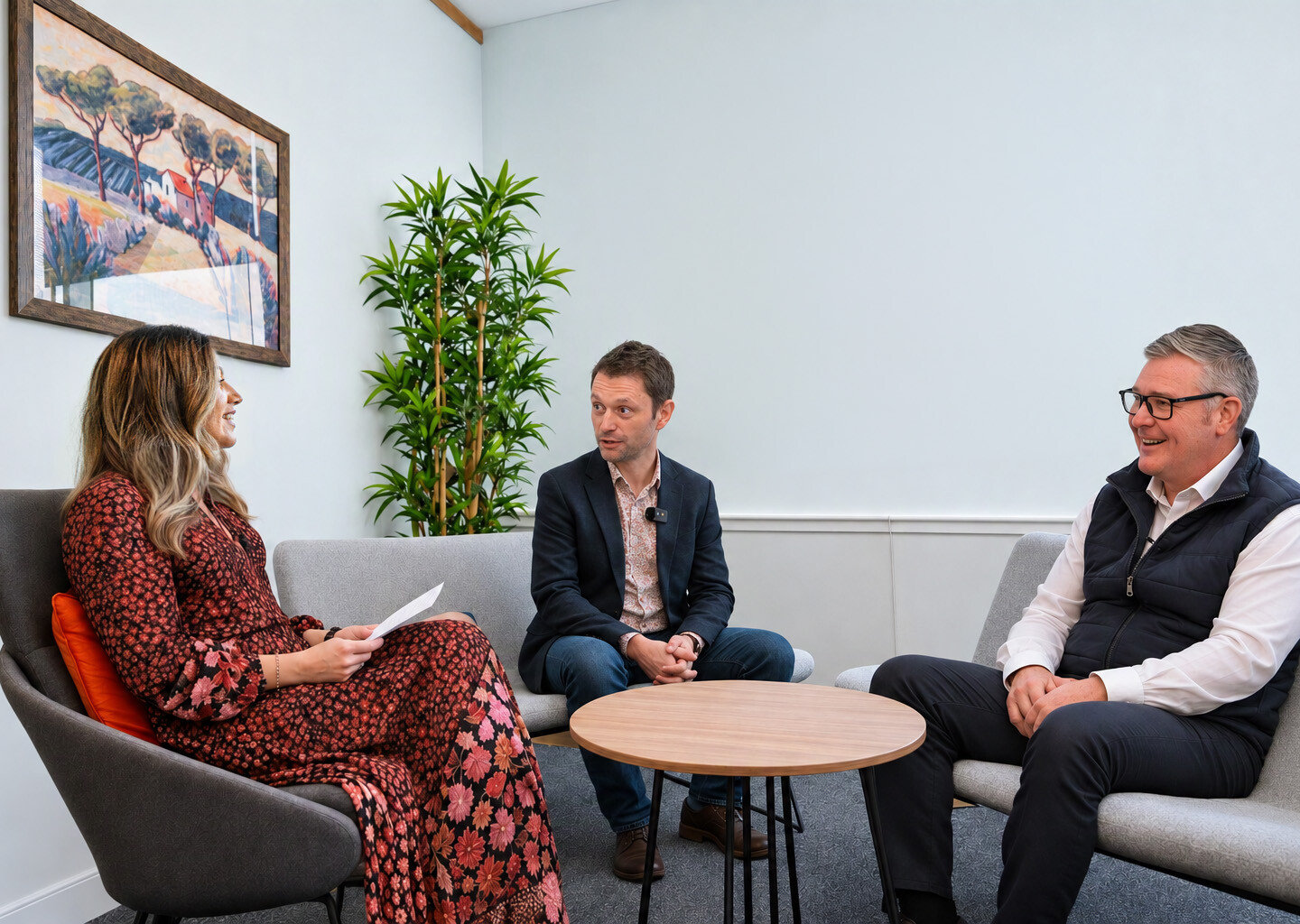
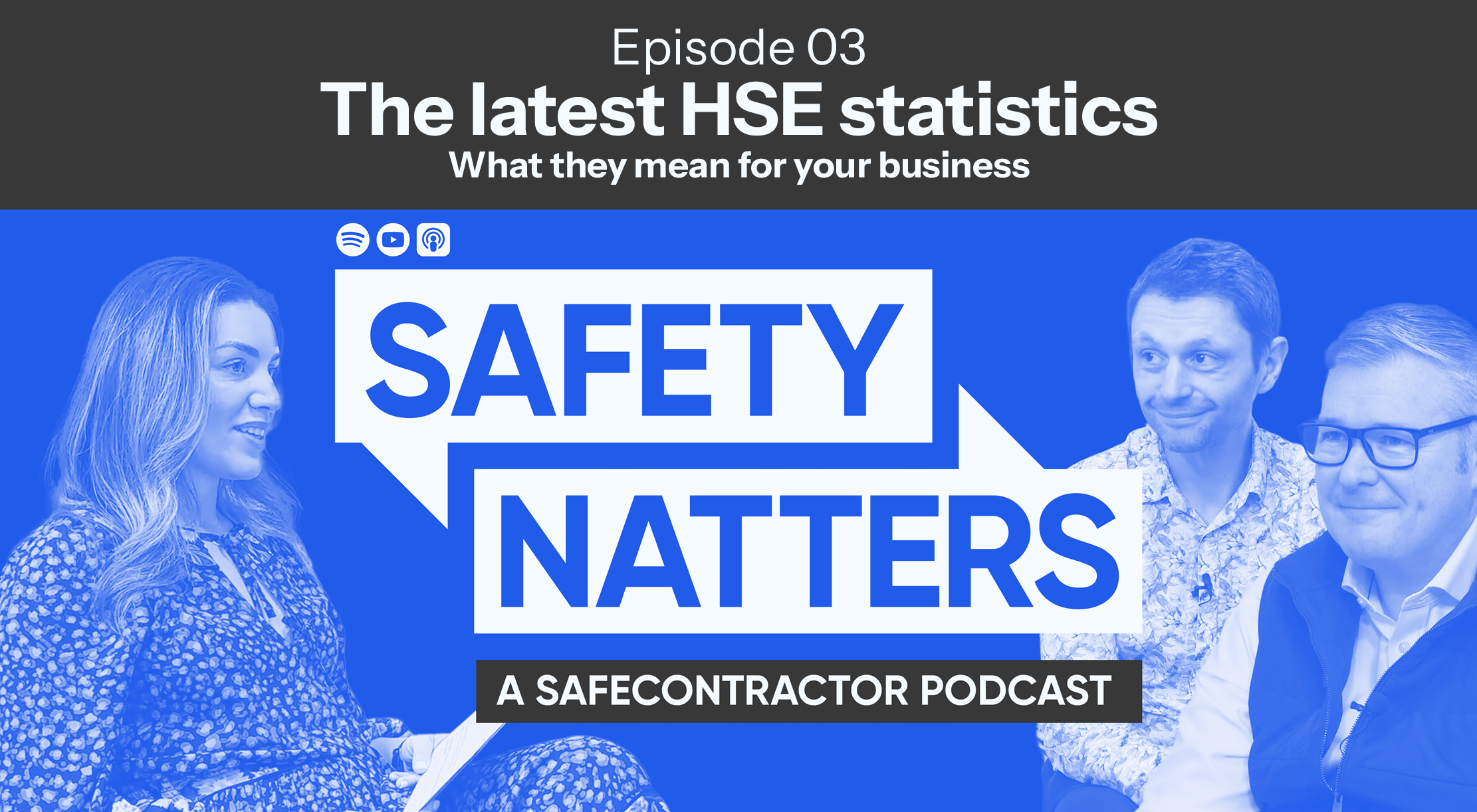
In this episode of Safety Natters, host Emily is joined by Matthew Rouse, Managing Director at SafeWorkforce, and Ben Coke, Technical Standards Manager at SafeContractor, to look beyond the headline figures and ask what they actually mean for businesses.
Together, they discuss why some of the most familiar workplace risks remain stubbornly difficult to tackle, the growing importance of psychological health and safety, and why having policies and risk assessments in place is only part of the answer.
They also explore what businesses can do differently, from improving site compliance and involving workers in risk assessments to encouraging near-miss reporting and making health and safety part of everyday operations.
Good health and safety needs to work in practice, not just on paper
Having policies, risk assessments and method statements in place is important, but the discussion highlights why documentation alone cannot keep people safe.
Risk assessments need to reflect the actual work, site and people involved, and they need to be reviewed as circumstances change. As Matt explains, practical implementation and site compliance are where businesses now have an opportunity to make further progress.
Mental health needs to be treated as a workplace risk
Although the estimated number of workers experiencing work-related stress, depression or anxiety has fallen, the figures remain high.
Matt and Ben explore why supporting mental health needs to go further than individual interventions such as mental health first aid. Workload, job design, organisational structure, policies, management and psychological safety can all influence the causes of work-related stress.
It also means greater collaboration between HR and health and safety, rather than treating the two as completely separate areas.
The risks are changing alongside the way we work
Musculoskeletal disorders remain one of the biggest causes of work-related ill health, but the risks businesses need to manage are changing.
The discussion looks beyond traditional manual handling to DSE, hybrid working, tablets and mobile technology, and changing working environments. Assessments therefore need to keep pace with how people actually work rather than becoming one-off compliance exercises.
Reporting more can help businesses prevent more
Near misses and smaller incidents can provide vital information about where risks are emerging before someone is seriously hurt.
Matt and Ben discuss the importance of creating a culture where people feel able to report problems without automatically fearing blame. Better reporting, coupled with digital tools that allow organisations to identify trends, can help businesses understand root causes and put effective controls in place.
Safety isn’t an add-on to running a business
One of the clearest messages from the episode is that health and safety shouldn’t sit separately from day-to-day operations.
For SMEs in particular, absence can quickly put additional pressure on the people who remain, potentially increasing workload, stress and safety risks. Managing health and safety effectively is therefore not simply about compliance. Done properly, it can help businesses work more efficiently, protect their people and build greater resilience.

Matthew Rouse
Managing Director, SafeWorkforce
Matthew discusses what the HSE figures mean for employers, particularly SMEs, and why health, wellbeing and traditional workplace safety increasingly need to be considered together. He also explores the importance of site compliance, employee engagement and addressing the underlying causes of workplace health and safety issues.

Ben Coke
Technical Standards Manager, SafeContractor
Drawing on his experience as a former HSE inspector, Ben explores the gap between having the right health and safety processes and how work is actually carried out. He discusses competence, risk assessments, occupational health risks and why involving the people doing the work is critical to effective risk management.
Safety Natters is the podcast from SafeContractor, bringing together industry experts to discuss the health, safety, wellbeing and compliance issues affecting contractors today.
Safety Natters releases new episodes every quarter, alongside occasional bonus episodes addressing emerging risks, industry developments and issues impacting contractors in real time.
Each episode provides practical advice, expert insight and real-world experience to help businesses create safer, healthier and more productive workplaces.
Follow or subscribe to Safety Natters on your preferred podcast platform to stay up to date with new episodes and bonus content.
Get in touch and we’ll guide you through the process.
Related Insights