 Safe Contractor
AI is becoming part of everyday working life, helping businesses save time, organise information and tackle routine tasks more efficiently. But when AI is being used to create HR documents, inform employment decisions or produce health and safety documentation, getting an answer quickly isn’t the same as getting it right.
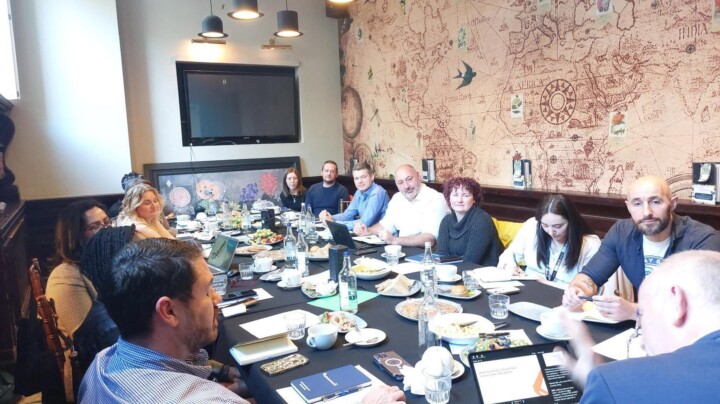
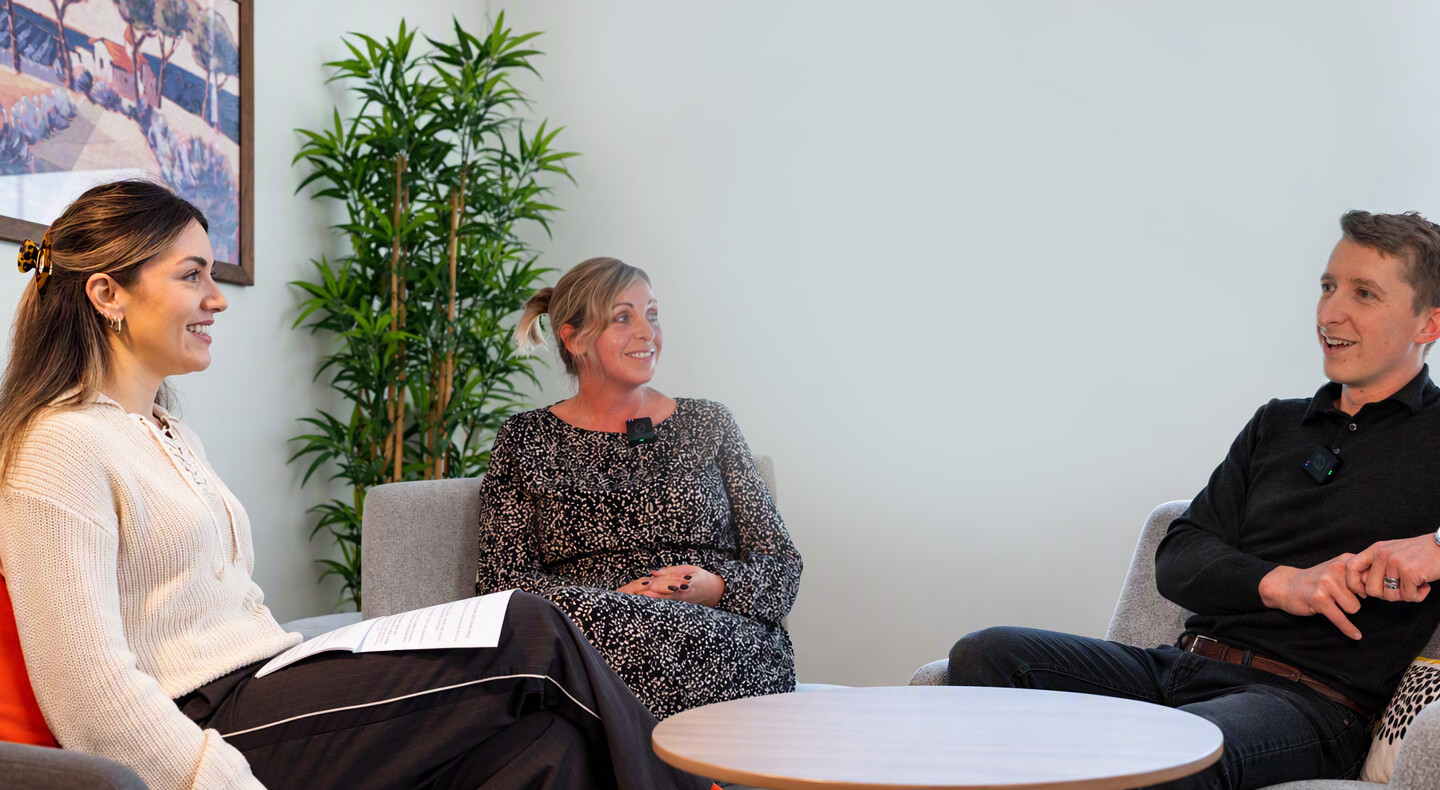
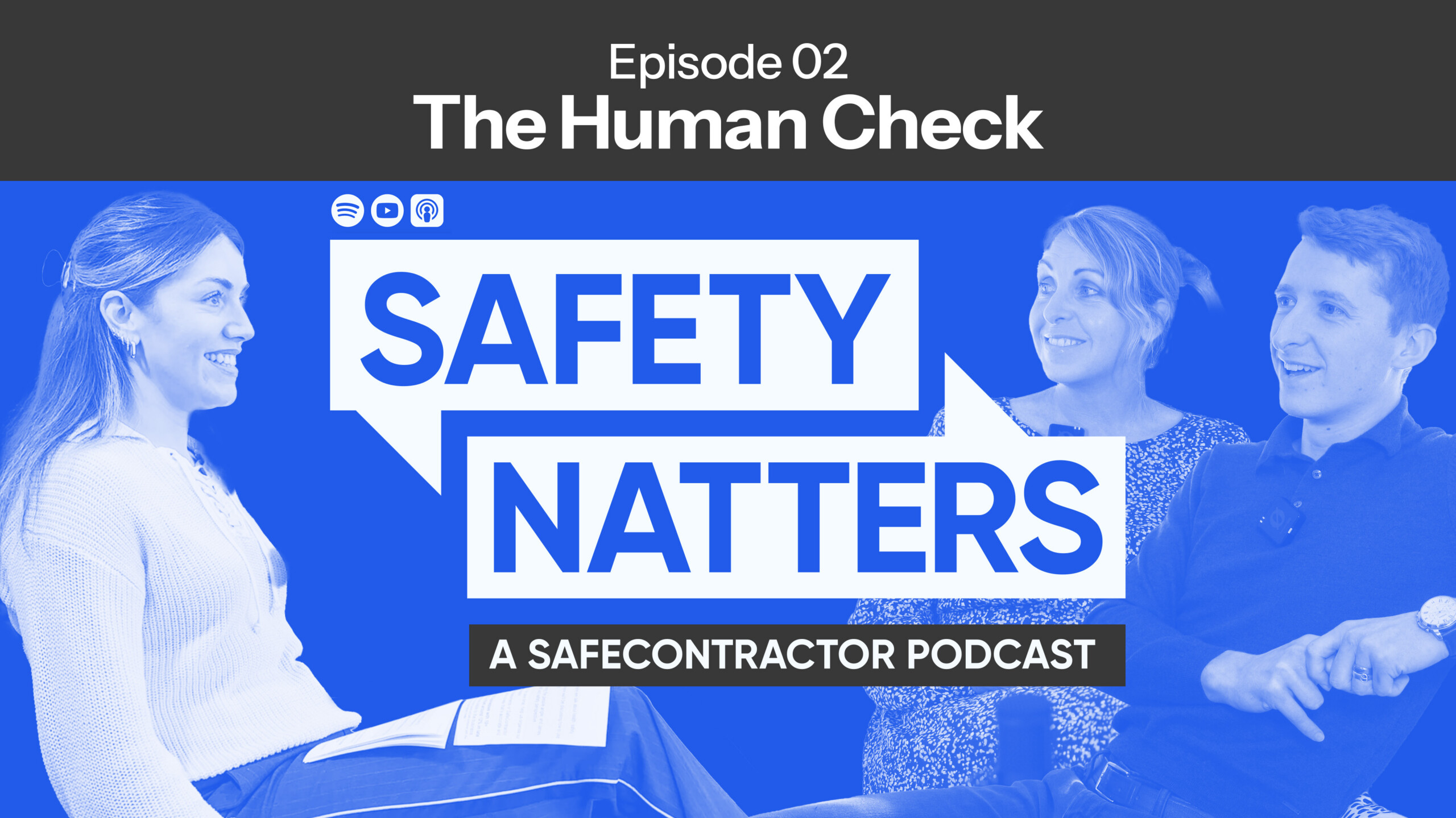
In the second episode of Safety Natters, the podcast from SafeContractor, host Emily is joined by Helen from SafeHR and James from SafeWorkforce to explore the responsible use of AI in HR and health and safety.
Together, they discuss where AI can genuinely support businesses, the risks of relying too heavily on AI-generated information, and why human knowledge, experience and judgement remain essential.
The conversation also explores the growing issue of employees using unapproved AI tools at work, the risks of using AI for HR decision-making, and why contractors should be cautious about relying on AI to produce risk assessments and RAMS.
AI can provide a useful starting point, but it shouldn’t be the final decision-maker
AI can make routine tasks easier, from drafting communications and summarising meetings to helping businesses organise information. However, the more significant the decision, particularly where people’s employment, safety or wellbeing could be affected, the greater the need for appropriate human oversight.
A professional-looking answer isn’t necessarily the right answer
One of the risks with generative AI is that inaccurate or incomplete information can still appear convincing. Helen discusses how an AI-generated employment contract can look comprehensive while missing important provisions that an employer may need, making expert review particularly important.
Risk assessments and RAMS need real-world knowledge
AI may help contractors understand health and safety requirements or provide a starting point for documentation, but it doesn’t replace knowledge of the actual job, site or workforce.
Risk assessments and RAMS need to reflect the hazards, working environment, controls and people involved in the work. If AI generates controls that aren’t relevant to how a contractor actually operates, the resulting document may not accurately represent how the work will be carried out.
Keep a human check on decisions about people
AI can support administrative HR tasks, but Helen highlights the greater risks involved when it is used to make or influence decisions about employees.
Areas such as recruitment, disciplinary action, grievances and redundancy require careful human judgement. Automated recruitment decisions can also introduce potential bias and discrimination risks.
Businesses need visibility over how AI is being used
AI use isn’t always driven centrally by an organisation. Employees may choose their own AI tools to help with everyday tasks, potentially without their employer’s knowledge.
That makes responsible AI use about more than choosing the right technology. Businesses also need to consider where AI is being used, what information employees are entering into it and where appropriate human oversight is required.

Helen Hancock
HR and employment law specialist, SafeHR
Helen explores how AI is changing everyday HR tasks, from drafting documents and internal communications to recruitment and employee relations. She also discusses the areas where businesses should be particularly cautious, including employment contracts, grievances, disciplinary processes and decisions affecting employees.

James Chamberlain
Health and safety officer, SafeWorkforce
James looks at AI from a practical health and safety perspective, including how it can improve access to information for smaller businesses while highlighting the risks of relying on AI-generated documentation without the knowledge and context needed to check it properly.e
Safety Natters is the podcast from SafeContractor, bringing together industry experts to discuss the health, safety, wellbeing and compliance issues affecting contractors today.
Safety Natters releases new episodes every quarter, alongside occasional bonus episodes addressing emerging risks, industry developments and issues impacting contractors in real time.
Each episode provides practical advice, expert insight and real-world experience to help businesses create safer, healthier and more productive workplaces.
Follow or subscribe to Safety Natters on your preferred podcast platform to stay up to date with new episodes and bonus content.
Get in touch and we’ll guide you through the process.
Related Insights