

 Safe Contractor

The latest figures from the Health and Safety Executive (HSE) show that 126 workers were killed in work-related accidents in Great Britain during 2025/26. While the long-term trend remains downward, the statistics demonstrate that serious risks continue to exist across many industries, particularly those that rely heavily on contractors.
For contractors and organisations managing supply chains, the figures provide more than a snapshot of workplace safety performance. They highlight recurring hazards, persistent weaknesses and areas where stronger risk management could save lives.
This article explores the key findings from the latest fatal injury data and what contractors can learn from them.
| Industry | Fatalities |
|---|---|
| Construction | 25 |
| Agriculture, forestry and fishing | 22 |
| Manufacturing | 18 |
| Transport and storage | 15 |
| Wholesale, retail, accommodation and food | 11 |
The data shows that construction continues to record the highest number of fatal injuries of any industry sector. This is particularly significant given the industry’s reliance on contractors, subcontractors and temporary workers operating across multiple sites and environments.
Construction has consistently appeared among the UK’s highest-risk industries due to the nature of the work being undertaken. Activities such as working at height, operating machinery, lifting materials and interacting with moving vehicles all increase the potential for serious harm.
However, the risks themselves are not new. Most construction organisations are already aware of the hazards. The challenge lies in ensuring controls are implemented consistently, monitored effectively and followed by every worker on every site.
For many organisations, this means strengthening:
When these controls break down, the consequences can be severe.
The latest statistics are a reminder that knowing the risks is not enough. Effective contractor management is essential to preventing serious incidents.
Main causes of workplace fatalities in Great Britain 2025/2026
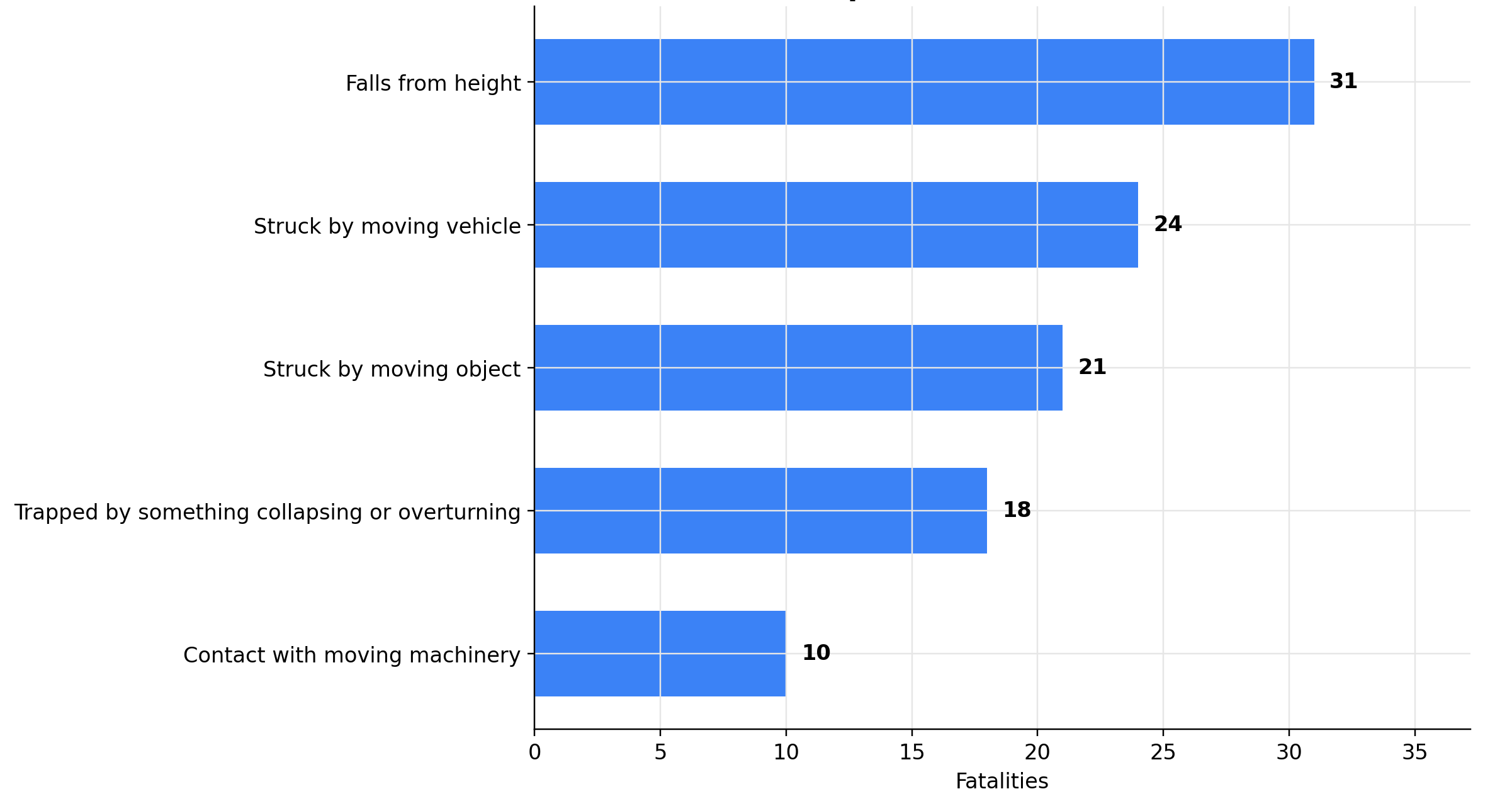
Falls from height continue to account for the largest proportion of worker fatalities, representing almost a quarter of all fatal incidents.
This is particularly relevant for contractors working in:
Despite extensive guidance and regulation, falls from height remain a recurring issue. Common contributing factors include:
The persistence of these incidents demonstrates why organisations cannot afford to become complacent about well-known hazards.
Fatal injury investigations frequently highlight the importance of effective competence management, training and supervision.
Contractors must possess the knowledge, skills, training and experience required to work safely. Equally important is the ability of hiring organisations to verify and monitor competence throughout the supply chain.
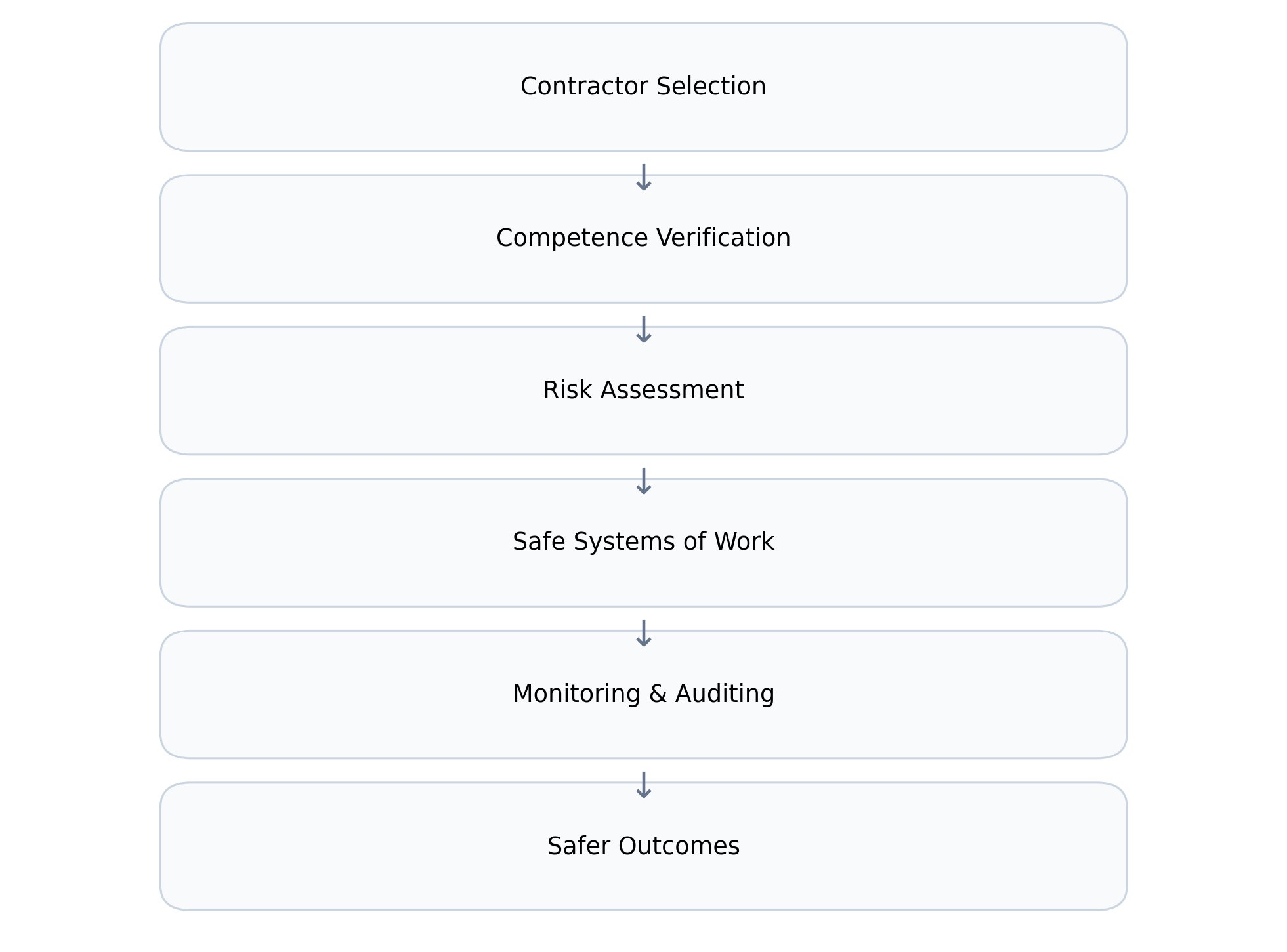
Third-party certification programmes can support this process by helping businesses demonstrate that appropriate standards, policies and procedures are in place before work begins.
However, competence management should not end at pre-qualification. Organisations should regularly review training records, certifications and performance to ensure standards remain effective over time.
Modern projects often involve multiple contractors, subcontractors and specialist providers working together.
As supply chains become more complex, organisations may find it increasingly difficult to maintain visibility over:
A lack of visibility can create gaps that allow unsafe practices to develop unnoticed.
The organisations achieving the strongest safety outcomes are typically those that maintain clear oversight of contractor competency, compliance requirements and site activities throughout the lifecycle of a project.
Statistics alone do not prevent accidents. Action does.
The latest fatal injury figures should encourage organisations to review whether current controls remain fit for purpose.
Questions contractors should consider include:
By answering these questions honestly, organisations can identify opportunities to strengthen their safety culture and reduce the likelihood of serious incidents occurring.
The HSE 2025/26 workplace fatality statistics show that progress continues to be made, but significant challenges remain.
Construction remains the sector with the highest number of fatalities, while falls from height continue to be the leading cause of worker deaths. These are risks the industry knows well, which makes their persistence particularly concerning.
For contractors, the lesson is clear: preventing workplace fatalities requires more than compliance. It demands robust contractor management, effective competence assurance, strong supply chain visibility and a commitment to continuous improvement.
Want greater confidence in your contractor management processes?
Discover how SafeContractor helps organisations assess contractor competence, manage supply chain risk and demonstrate a commitment to workplace safety.
Falls from height are the most common cause of fatal injuries, accounting for around a quarter of all deaths.
Construction involves high-risk activities such as working at height, operating machinery and handling materials, which significantly increase the likelihood of serious incidents.
Contractor competence is the combination of skills, knowledge, training and experience, along with the ability to apply them safely on site.
Effective contractor management helps organisations control risks, ensure compliance and prevent accidents by verifying competence and monitoring performance.
Organisations can reduce risk by:
A proactive approach to risk management is essential to preventing incidents.
Every statistic represents a person who did not return home from work. By learning from the latest data and strengthening risk management practices today, organisations can help prevent future tragedies.
Contact us today and take the first step toward safer, smarter contractor management.

Related Insights